Description
Specifications
| Product model | CYR-C-EG |
| Measurement item | Concentration, refractive index, and temperature of ethylene glycol solution |
| Measuring range | 0.00 – 100 .00% |
| Resolution | 0.01% |
| Measurement accuracy | ± 0.2% |
| Temperature corrected | -20 up to +70°C |
| Process temperature | -20°C up to +70°C |
| Prism | Optical grade sapphire |
| Wetted parts | Liquid contact material: SUS316L; Shell: Aluminum alloy |
| Power supply | DC 24 V |
| Interfaces | DC 4 to 20mA;RS485;2-channel switch signal output |
| International Protection class | Display surface:IP65 Water resistant |
| Process pressure | Max. 1.0 MPa (145 psi, 10 bar) |
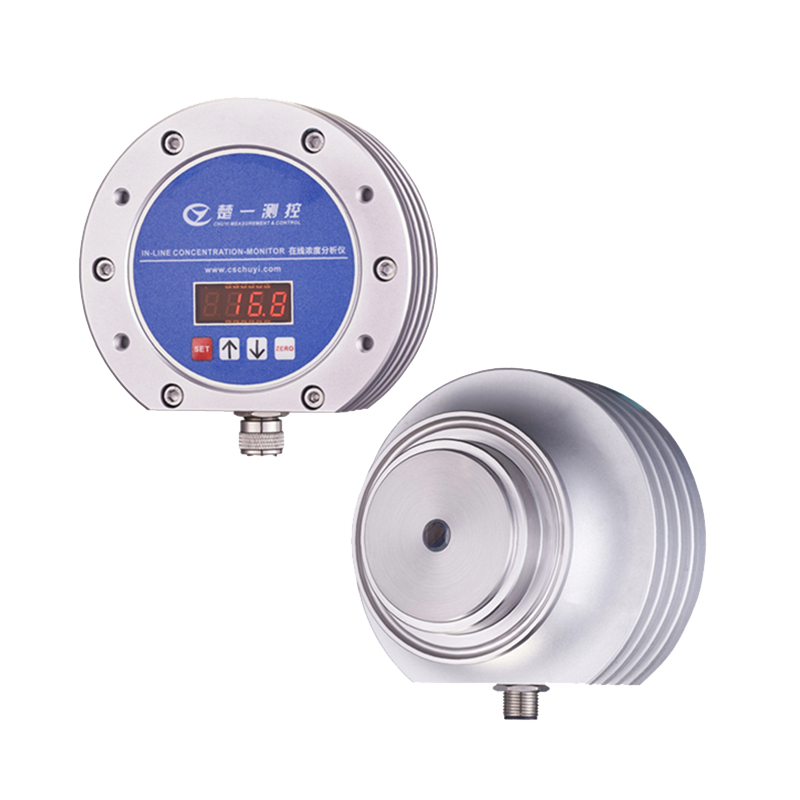
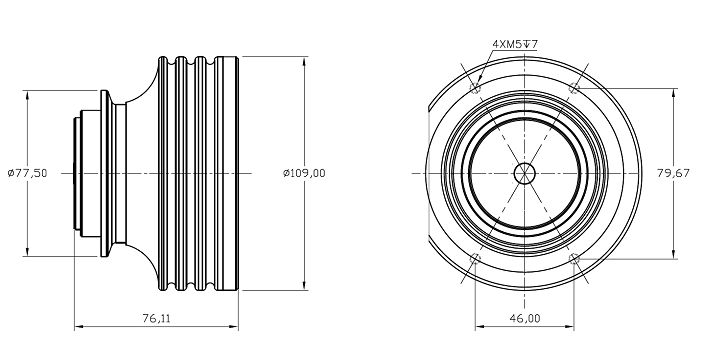
| Dimensions and weight | length 109 x diam.77mm; approx. 1150g |
| Cleaning components Options | Pneumatic brush automatic cleaning component |
| Installation Options | Chuck, flange pipe adapter, small pipe diameter adapter, etc |
Dimensions
Measurement Principles
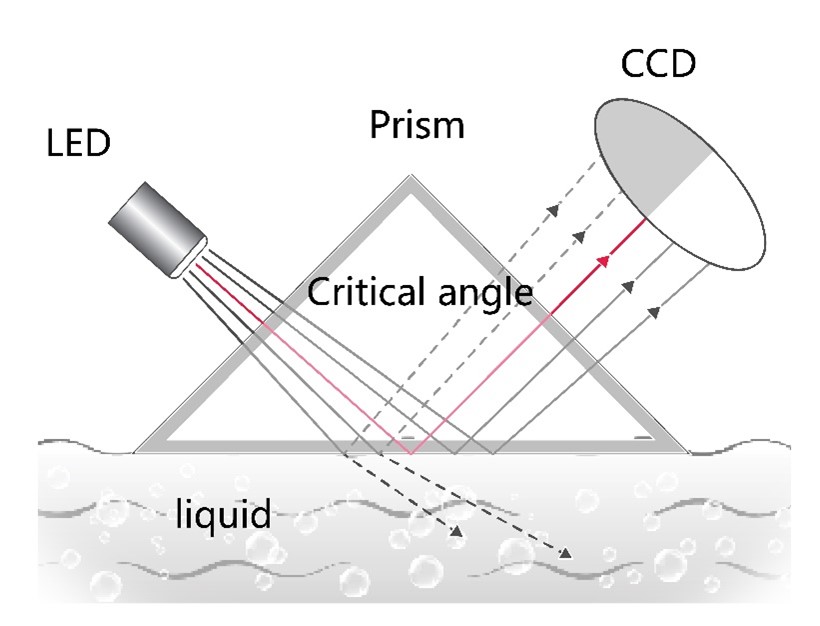
The concentration of ethylene glycol solution can be determined by refractive index method. The refractive index has an excellent linear relationship with the concentration of the detection object. By testing the refractive index of the detection object at different concentrations and temperatures and writing it into the internal chipset of the sensor, automatic detection of the concentration of the detection object can be completed.
Refraction of light is a physical phenomenon that refers to the change in the direction of light when it enters different media. This phenomenon can also be observed in daily life, where the change in direction of light causes objects to have a “curved” appearance. (As shown in the figure on the right)
The refractive index represents the degree of refraction of light and is proportional to the concentration of the medium. Therefore, compared to a 100ml aqueous solution of 10g sugar and 20g sugar, the refractive index of the latter increases, and the difference in refractive index caused by concentration changes has also been confirmed in solutions other than sucrose.
Product advantages
● No pre-treatment of the sample, no need for reagents or consumables, the entire measurement process takes seconds.
● A long-lasting light source that can last up to 100000 hours, reducing usage and maintenance costs.
● Optional components provide fully automatic cleaning of the optical window to avoid measurement deviation caused by contamination.
● Some substances are not affected by the color, turbidity, or viscosity of the detected object.
● Some substances are not affected by the detection of bubbles, solid impurities, and crystals.
● Not affected by pressure changes, sudden changes in flow rate, or turbulence phenomena of the detected object.
● The instrument has no mechanical action during the detection process, ensuring long-term stable use.
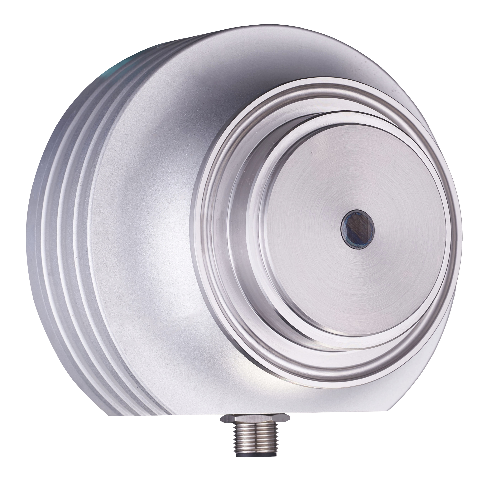
● Detect the full planar structure of the prism to avoid dirt and grime accumulation in the optical window.
● Factory calibration and automatic temperature compensation, directly put into use.
● Support communication with the upper computer, 4-20mA, RS485 signal output.
● Support switch signal output for alarm and control.
Application highlights
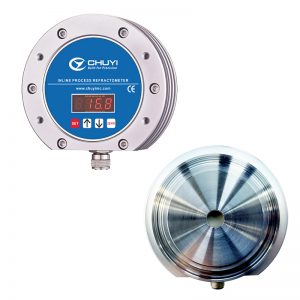
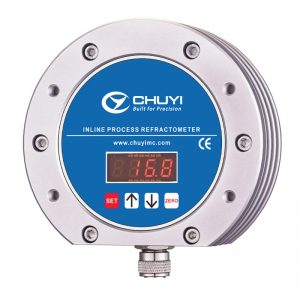
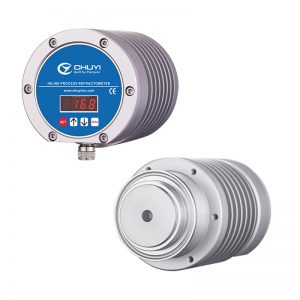
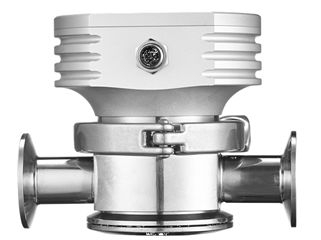
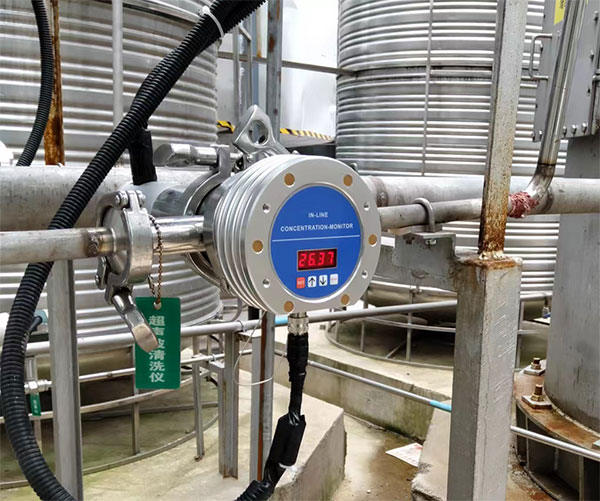
CYR-C-EG ethylene glycol inline concentration analyzer, also known as ethylene glycol online refractometer and ethylene glycol inline concentration meter, is a high-precision optical instrument that measures the concentration of solution based on the principle of light REFRACTION AND TOTAL REFLECTION. The ethylene glycol online refractive concentration analyzer is used to monitor the concentration of ethylene glycol solution in the pipeline in real time. Such as the concentration measurement of central air conditioning ethylene glycol antifreeze and automobile ethylene glycol.